
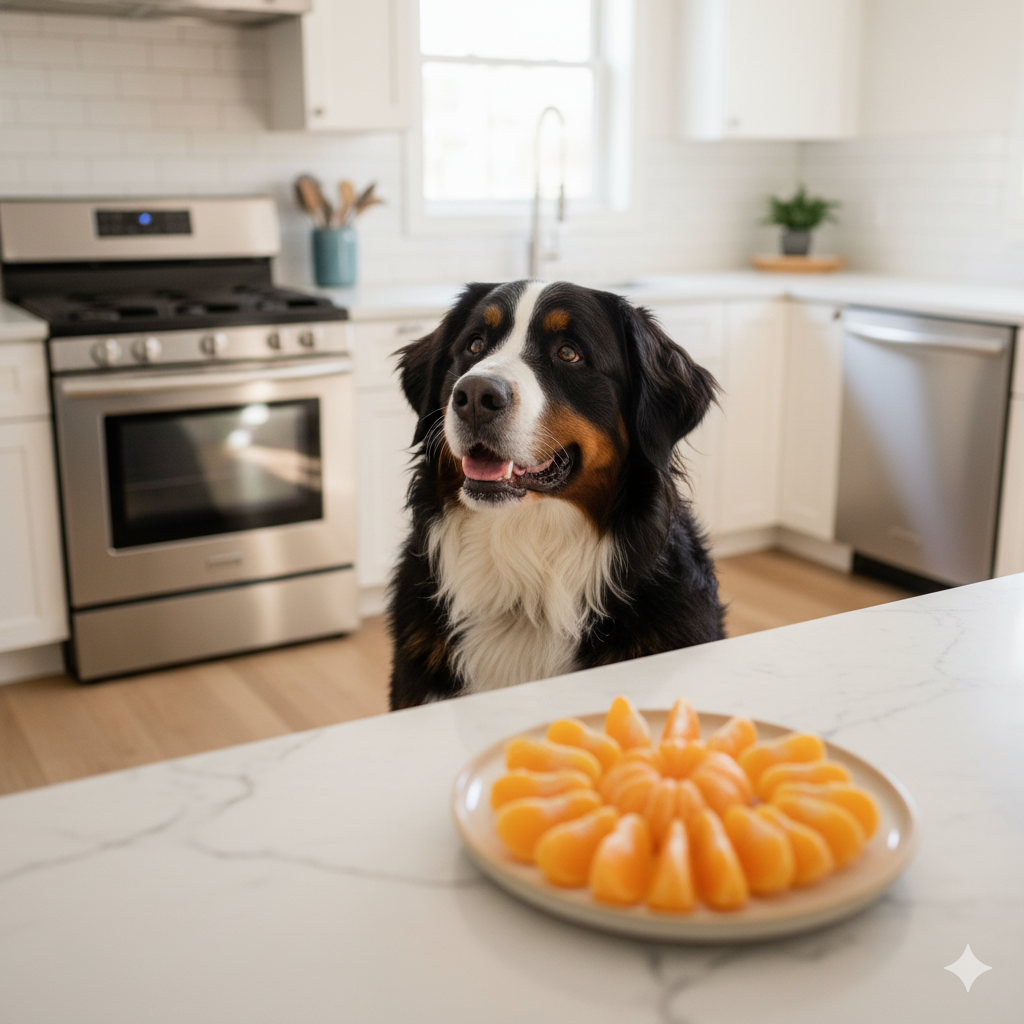
Can Dogs Eat Oranges? A Vet-Approved Guide
Quick Answer: Can Dogs Eat Oranges?
Yes, healthy dogs can eat the flesh of oranges in moderation. They offer Vitamin C, potassium, and fiber. However, you must remove the toxic peel and seeds to prevent choking and blockages. Due to high sugar and acidity, limit portions to occasional treats, avoiding them for diabetic or overweight dogs.
At a Glance
- Verdict: Safe in moderation (flesh only).
- Prep Rule: Peel completely (remove pith) and de-seed.
- Portion Rule: Adhere strictly to the 10% treat rule.
- Puppy/Senior: Safe for puppies in tiny amounts; avoid for diabetics.
- Toxicity Warning: Peels contain toxic essential oils; seeds have trace cyanide.
- Vet Caveat: High acidity may cause vomiting or diarrhea in sensitive dogs.
- Watch-outs: High sugar content poses obesity risks.
It’s sweet, juicy, and packed with Vitamin C—but can you share this breakfast staple with your dog? The short answer is yes, healthy dogs can eat the fleshy part of an orange in moderation. While oranges are not toxic, they come with critical caveats regarding the peel, seeds, and sugar content. Before tossing your pup a slice, it is essential to understand the ‘10% rule’ and why preparation matters.
Health Benefits
When served correctly, oranges can offer a tasty hydration boost and antioxidants.
- Vitamin C (Antioxidant Support): While dogs synthesize their own Vitamin C in the liver, a dietary boost can help during periods of high stress or intense exercise, reducing oxidative stress.
- Potassium: This essential electrolyte supports heart function, muscle contractions, and fluid balance. A small orange slice contributes to this mineral pool without disrupting diet balance.
- Dietary Fiber: Oranges contain soluble fiber (regulates sugar absorption) and insoluble fiber (aids bowel movements), supporting overall gut health when fed in small amounts.

Risks and Considerations
The peel, seeds, and high sugar content pose significant risks if ignored.
- Sugar & Obesity: Oranges are high in natural fructose. Overconsumption can lead to weight gain and dental issues. Diabetic dogs should not eat oranges due to potential blood glucose spikes.
- Citric Acid & GI Upset: The high acidity can upset a dog’s stomach, causing vomiting or diarrhea. This is distinct from the safe, regulated amounts of citric acid used as preservatives in dog food.
- Toxic Peels: Never feed the peel. It is difficult to digest (causing blockages) and contains essential oils like limonene, which can be toxic and cause liver damage or skin irritation.
- Seeds (Choking & Cyanide): Seeds are a choking hazard and contain trace amounts of cyanide. While acute poisoning is rare, the blockage risk alone makes removing them mandatory.

Safe Serving Guide
Safety lies in the preparation. Follow these steps to turn a risky fruit into a safe treat.
- Wash Thoroughly: Remove pesticides and dirt from the rind before peeling to prevent contamination of the fruit flesh.
- Peel Completely: Remove all rind and as much white pith as possible. The pith is hard to digest and can cause stomach upset.
- De-Seed Meticulously: Remove every seed to prevent choking and avoid trace cyanide intake.
- Slice Small: Cut segments into bite-sized pieces appropriate for your dog’s breed size.
Prep Variations
- Frozen Treats: Freeze orange segments for a refreshing, longer-lasting treat on hot days.
- Yogurt Mix-in: Mix minced orange into plain, xylitol-free yogurt and freeze in an ice cube tray for a ‘pupsicle’.

Portion Guide
Treats should never exceed 10% of your dog’s daily calories. A small orange has ~45 calories, which is a significant amount for smaller breeds. Synthesized from veterinary weight charts.
- Extra-Small Dogs (2–20 lbs): ½ of one segment
- Small Dogs (21–30 lbs): 1 orange segment
- Medium Dogs (31–50 lbs): 1-2 orange segments
- Large Dogs (51–80 lbs): 2-3 orange segments
- Giant Dogs (81+ lbs): 3 orange segments
Nutritional Breakdown
Per 100 g edible portion (flesh only). Oranges are nutrient-dense but high in sugar.
Data Source: USDA FoodData Central, Oranges, raw, all commercial varieties (FDC #169097/1102597).
| Nutrient | Amount per 100g | Unit | Notes |
|---|---|---|---|
| Calories | 47 | kcal | |
| Water | 86.75 | g | High water content aids hydration. |
| Protein | 0.94 | g | |
| Total Fat | 0.12 | g | |
| Carbohydrates | 11.75 | g | |
| Sugars | 9.35 | g | High sugar content requires moderation. |
| Fiber | 2.4 | g | |
| Vitamin C | 53.2 | mg | Potent antioxidant. |
| Potassium | 181 | mg | |
| Calcium | 40 | mg | |
| Phosphorus | 14 | mg | |
| Magnesium | 10 | mg | |
| Iron | 0.1 | mg | |
| Zinc | 0.07 | mg | |
| Vitamin A | 11 | µg RAE | ~225 IU |
| Vitamin E | 0.18 | mg | |
| Thiamin (B1) | 0.087 | mg | |
| Riboflavin (B2) | 0.04 | mg | |
| Niacin (B3) | 0.282 | mg | |
| Vitamin B-6 | 0.06 | mg | |
| Folate | 30 | µg |
Note: Dogs synthesize their own Vitamin C, so the dietary contribution is supplemental rather than essential.
Expert Citations
Veterinary experts agree that while safe, oranges are not a necessary part of a canine diet.
“Healthy dogs can eat oranges in moderation… This fruit is not toxic to canines and can serve as a healthy, low-calorie treat.”
— Purina Veterinary Nutritionists“The suitability of oranges depends heavily on which part of the fruit is offered and the quantity given.”
— American Kennel Club (AKC) Veterinary Experts
Frequently Asked Questions
Can puppies eat oranges?
Yes, but in very small quantities. Puppies have sensitive digestive systems. Introduce tiny pieces slowly and adhere strictly to the 10% rule.
Can dogs drink orange juice?
No. Orange juice is a concentrated source of sugar and citric acid without the beneficial fiber. It can cause severe stomach upset and may contain toxic additives like xylitol.
Are orange peels toxic to dogs?
Yes. Orange peels contain essential oils (like limonene) that can be toxic, causing liver damage and skin irritation. They are also a major choking and blockage hazard.
What about Clementines or Mandarins?
These are generally safe if peeled and seeded, but they are often sweeter than standard oranges. Portion control is even more critical due to the higher sugar concentration.
What if my dog eats too many oranges?
Monitor for vomiting or diarrhea. If symptoms persist for over 24 hours or the dog appears lethargic, contact a vet. If a peel was ingested, call your vet immediately.
Conclusion
The fleshy part of an orange is a safe, nutritious treat when prepared correctly—peeled, seeded, and portioned strictly. Always consult your veterinarian before adding new human foods to your dog’s diet, especially if they have pre-existing conditions like diabetes or obesity.
References
- Purina US. (2025). Can Dogs Eat Oranges? Retrieved from Purina.com
- American Kennel Club. (2025). Can Dogs Eat Oranges? Retrieved from AKC.org
- PetMD. (2025). Can Dogs Eat Oranges? Retrieved from PetMD.com
- CareCredit. (2025). Can Dogs Eat Oranges? Health Benefits, Safety Tips and More. Retrieved from CareCredit.com
- USDA FoodData Central. (2019). Oranges, raw, all commercial varieties. Retrieved from USDA.gov
- Banfield Pet Hospital. (n.d.). Can dogs eat oranges? Here’s what our vets say. Retrieved from Banfield.com
- Pumpkin Pet Insurance. (2024). Can Dogs Eat Oranges? Benefits & Risks. Retrieved from Pumpkin.care
- Rover. (2025). Can Dogs Eat Oranges? (Reviewed by Dr. Jeff Grognet). Retrieved from Rover.com