
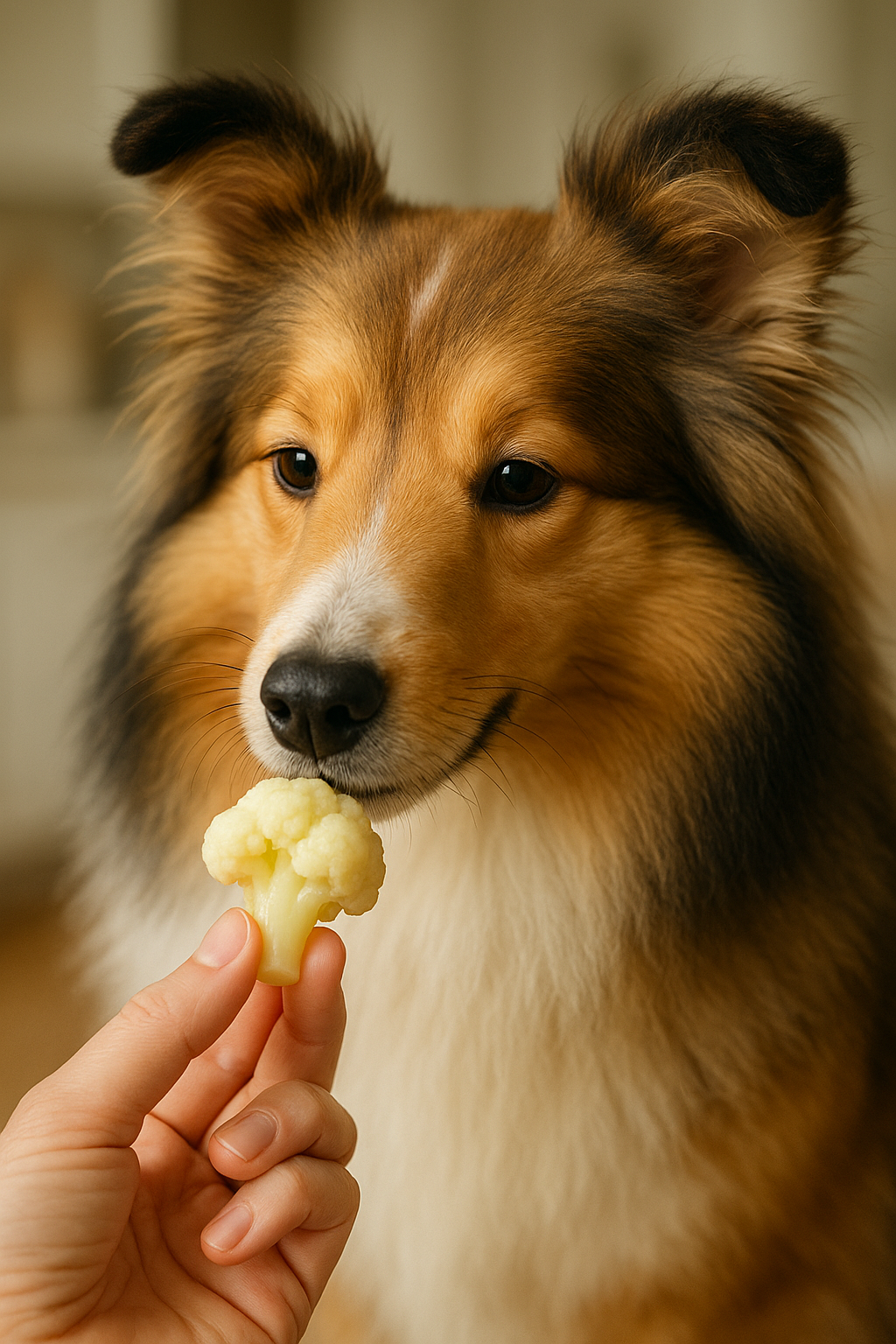
Can Dogs Eat Cauliflower? A Vet-Approved Guide
When you’re chopping vegetables for dinner, and a stray floret of cauliflower tumbles to the floor, your dog’s hopeful gaze likely follows it. This common scenario leaves many pet parents asking a simple question: Can dogs eat cauliflower?
The answer, confirmed by a consensus of veterinary experts, is a resounding yes. Cauliflower is not toxic to dogs and, when prepared correctly and served in moderation, can be a healthy, low-calorie, and nutritious treat.
This cruciferous vegetable is increasingly recognized not just as a safe snack but as a “superfood” capable of providing health benefits that extend beyond basic nutrition. This guide will cover the benefits, potential risks, and expert-backed advice on how to prepare and serve it safely.
🥦 At a Glance: Can Dogs Eat Cauliflower?
Yes, dogs can eat cauliflower. Veterinary experts agree it is a non-toxic, healthy, low-calorie treat when served cooked (steamed or boiled) and plain. It’s packed with fiber, Vitamin C, and Vitamin K. However, it should only be given in moderation to avoid gastrointestinal upset like gas and bloating.
- Verdict: Yes, cauliflower is a safe, non-toxic, and nutritious treat for most dogs.
- Preparation: Best served lightly steamed or boiled, with no salt, oil, or seasonings.
- Portion: Treats like cauliflower should not exceed 10% of your dog’s daily calorie intake.
- Puppies: Yes, puppies can eat it if it’s cooked soft, cut into tiny pieces, and given in very small amounts.
- Risks: Can cause significant gas, bloating, and digestive upset, especially if raw or fed in large amounts.
- Stems: Avoid the thick, fibrous main stalk, which is a choking and blockage hazard.
- Watch-outs: Never serve with garlic or onions, which are toxic to dogs.
Serving Size by Dog Weight
Dog Size Weight Range Recommended Serving Size Extra-Small 2-20 lbs 1-2 small pieces (approx. ½ inch) Small 21-30 lbs Up to 3 pieces Medium 31-50 lbs 5-6 pieces Large 51-90 lbs A small handful of pieces Extra-Large 91+ lbs A large handful of pieces
The Health Benefits of Cauliflower for Dogs
Cauliflower’s reputation as a health food is well-deserved. It is a nutrient-dense vegetable packed with vitamins, minerals, fiber, and unique plant compounds that can support your dog’s overall well-being.
Vitamins and Minerals
While your dog gets most nutrients from their balanced food, cauliflower provides a healthy boost. It contains Vitamin K, which is vital for blood clotting and bone health. It also has Vitamin C, a powerful antioxidant that supports the immune system, as well as Folate (B9) for cell growth and Potassium for heart, nerve, and muscle function.
Digestive and Gut Health (Fiber)
Cauliflower is an excellent source of dietary fiber. This fiber adds bulk to your dog’s stool, which helps regulate bowel movements and can alleviate both constipation and diarrhea. The fiber also acts as a prebiotic, feeding the beneficial bacteria in your dog’s gut microbiome. This process creates Short-Chain Fatty Acids (SCFAs) that promote a healthy gut barrier and support the immune system.
Anti-Inflammatory and Cancer-Fighting Compounds
As a cruciferous vegetable, cauliflower is rich in compounds called glucosinolates. When chewed or digested, these are converted into sulforaphane, a compound with powerful anti-inflammatory and anti-cancer properties. One study found that dogs who ate cruciferous vegetables at least three times a week had a significantly decreased risk of developing a type of bladder cancer. Other research has shown sulforaphane can be absorbed by dogs and is biologically active in their bodies.

Potential Risks & Considerations
While cauliflower is packed with benefits, it’s not without potential downsides. These risks are almost always related to feeding too much or improper preparation and are easily managed.
Gastrointestinal Upset (Gas)
The most common side effect is gas. This is caused by the high fiber content and the isothiocyanates (the same compounds with anti-cancer benefits). A sudden increase in fiber can lead to gas, bloating, and diarrhea. For most dogs, a small amount is fine, but introduce it slowly.
Choking and Blockage Hazard
The physical structure of cauliflower can be a risk. The dense, fibrous stems and large raw florets can be a choking hazard, especially for small dogs or dogs that gulp their food. A large piece of the tough stem could also potentially cause an intestinal blockage. Proper preparation is key to avoiding this.
Thyroid Concerns (Goitrogens)
Cauliflower contains compounds called goitrogens, which can interfere with thyroid function in large quantities. However, this is not a concern for the vast majority of healthy dogs. The risk is primarily for dogs with pre-existing hypothyroidism, and the effect is most potent when cauliflower is raw. Cooking the cauliflower significantly reduces or deactivates these compounds, making it much safer.

How to Safely Serve Cauliflower to Your Dog
To maximize the benefits and minimize the risks, how you prepare and serve cauliflower matters. Following a few simple rules will ensure this vegetable is a safe and enjoyable treat for your dog.
-
Wash and Prep
Always rinse the cauliflower under running water to remove any dirt or residual pesticides. Remove the thick, fibrous main stalk and tough leaves, as the stalk is a choking hazard. -
Cook It (Recommended)
Lightly cooking cauliflower by steaming or boiling is the preferred method. This breaks down the tough fibers, makes it easier to digest, reduces gas, and minimizes the choking risk. Steaming for a few minutes is ideal to soften it while preserving nutrients. -
Chop and Serve Plain
Cut the florets into small, manageable, bite-sized pieces appropriate for your dog’s size. This is a critical rule: Serve it completely plain. Never add salt, butter, oils, or seasonings. Many common ingredients, like garlic and onions, are toxic to dogs.
Preparation Methods: Cooked vs. Raw
- Raw (Not Recommended): Raw cauliflower is safe, but not recommended. It is much harder for dogs to digest, which leads to more significant gas and bloating. It also presents a greater choking hazard and contains more active goitrogenic compounds. If you must serve it raw, it should be finely chopped or pureed.
- Cooked (Best Method): This is the best method. Steaming or boiling cauliflower until it is soft makes it much easier to digest, reduces gas, and minimizes choking risks. Do not add any salt, oil, or spices.
- Leaves and Stems (Use Caution): The leaves are safe to eat. The thick, fibrous central stalk and stems are non-toxic but are very tough, hard to digest, and pose a serious choking and blockage hazard. It is safest to remove the main stalk and stick to the florets.

How Much Cauliflower Can a Dog Eat?
The most important rule for any treat is moderation. Veterinarians universally recommend the 10% rule, which states that treats should make up no more than 10% of your dog’s total daily caloric intake. The other 90% must come from their complete and balanced dog food.
(The portion table below is based on guidelines from PetMD and Pumpkin Pet Care.)
| Dog Size | Weight Range | Recommended Serving Size |
|---|---|---|
| Extra-Small Dogs (2–20 lbs) | 1-2 small pieces (approx. ½ inch) | |
| Small Dogs (21–30 lbs) | Up to 3 pieces | |
| Medium Dogs (31–50 lbs) | 5-6 pieces | |
| Large Dogs (51–90 lbs) | A small handful of pieces | |
| Giant Dogs (91+ lbs) | A large handful of pieces |
Nutritional Breakdown of Raw Cauliflower
The following is the nutritional data for 100g of raw cauliflower. Cooking, especially boiling, will reduce levels of water-soluble vitamins like Vitamin C and B vitamins.
Data Source: USDA FoodData Central (FDC ID: 169986)
| Nutrient | Amount per 100g |
|---|---|
| Calories | 25 kcal |
| Protein | 1.92 g |
| Total Fat | 0.28 g |
| Carbohydrate | 4.97 g |
| Dietary Fiber | 2 g |
| Total Sugars | 1.91 g |
| Water | 92.07 g |
| Calcium | 22 mg |
| Potassium | 299 mg |
| Sodium | 30 mg |
| Vitamin C | 48.2 mg |
| Folate (B9) | 57 µg |
| Vitamin K (phylloquinone) | 15.5 µg |
| Choline | 44.3 mg |
| Phosphorus | 44 mg |
| Magnesium | 15 mg |
| Manganese | 0.154 mg |
The nutrients in cauliflower are most available to your dog when it is lightly cooked, as this breaks down the tough plant cell walls. The cancer-fighting compound sulforaphane is formed by an enzyme that can be damaged by heat, but is also released by chewing/digestion.
What Vets Say About Cauliflower
Authoritative veterinary sources like the American Kennel Club (AKC), VCA Animal Hospitals, and PetMD all give cauliflower a green light for dogs. Here’s what individual experts have to say:
“Cauliflower is high in fiber, vitamin C, vitamin K, calcium, potassium and folate. It shouldn’t be included in their daily diet, but a few times a week is great… When cooking cauliflower, ensure no oils, seasonings or butter — it should be very plain.”
— Dr. Sara Ochoa, DVM (via Fetch Pet Insurance)
“A few bites here and there are safe for pups, just don’t overdo it… too much of a good thing isn’t necessarily a good thing, and eating too much cauliflower can cause digestive issues in dogs.”
— Dr. Amy Fox, DVM (via The Spruce Pets)
Frequently Asked Questions (FAQ)
Can dogs eat cauliflower leaves and stems?
The leaves are safe and edible. The stems are also non-toxic but are very fibrous, tough to digest, and can be a serious choking and blockage hazard, especially when raw. It is safest to remove the thick central stalk and only offer the softer florets.
Can dogs eat raw cauliflower?
Yes, but it is not recommended. Raw cauliflower is harder for dogs to digest, which can lead to more gas and bloating. It also poses a greater choking risk. Lightly cooking (steaming or boiling) makes it safer and more digestible.
Can puppies eat cauliflower?
Yes, puppies can eat cauliflower after they are weaned. It MUST be cooked to a soft consistency, chopped into very small pieces to prevent choking, and served in tiny quantities as their digestive systems are very sensitive.
Can dogs with pancreatitis or kidney disease eat cauliflower?
Generally, yes. Because cauliflower is very low in fat, it is considered a safe treat for dogs prone to pancreatitis. It is also often listed as a safe, lower-phosphorus vegetable for dogs with kidney disease. However, always consult your vet before adding new foods to the diet of a dog with a chronic condition.
What happens if my dog eats too much cauliflower?
The most likely outcome is significant gastrointestinal upset, including smelly gas, bloating, abdominal discomfort, and possibly diarrhea. While unpleasant, these symptoms are typically not life-threatening and should pass. If symptoms are severe or last more than 24 hours, contact your vet.
The Verdict: A Healthy Treat in Moderation
Cauliflower is a resounding ‘yes’ for dogs. This cruciferous vegetable is a healthy, low-calorie, and nutritious treat approved by veterinarians. It’s loaded with fiber, vitamins, and powerful anti-inflammatory compounds like sulforaphane.
The key to serving it safely is to cook it (steaming or boiling is best), serve it plain, and offer it in moderation. By following these simple guidelines, you can confidently share this cruciferous powerhouse as a healthy snack for your furry friend.
Disclaimer: This article is an AI-generated educational tool. The information provided is not a substitute for professional veterinary advice. Always consult with your veterinarian.
References
- Can Dogs Eat Cauliflower? – PetMD
- People Food Dogs Can Eat and Can’t Eat – American Kennel Club (AKC)
- Can Dogs Eat Cauliflower? A Complete Guide – Pumpkin Pet Insurance
- Can Dogs Eat Cauliflower? Yes! – Here’s Why – Petco
- Can Dogs Eat Cauliflower? – Wag!
- Cauliflower for Dogs – DogCancer.com
- Is Cauliflower Good for Dogs? Benefits and Risks for Dogs – MasterClass
- The Impact of Fiber Source on Digestive Function… – PubMed Central (NIH)
- 3 Reasons Your Dog Needs Sulforaphane – Dogs Naturally Magazine
- The effects of sulforaphane on canine osteosarcoma… – ResearchGate
- Sulforaphane absorption and histone deacetylase activity… – PubMed (NIH)
- Can Dogs Eat Cauliflower? What to Know… – The Spruce Pets
- Goiter in Animals – Endocrine System – Merck Veterinary Manual
- Fruit & Vegetable Treats for Dogs With Pancreatitis (Vet Answer) – Dogster
- FoodData Central: Cauliflower, raw (FDC ID: 169986) – USDA FoodData Central
- Can dogs eat cauliflower? – Fetch Pet Insurance
- Can Dogs Eat Cauliflower? What to Know… – The Spruce Pets (Dr. Amy Fox)