
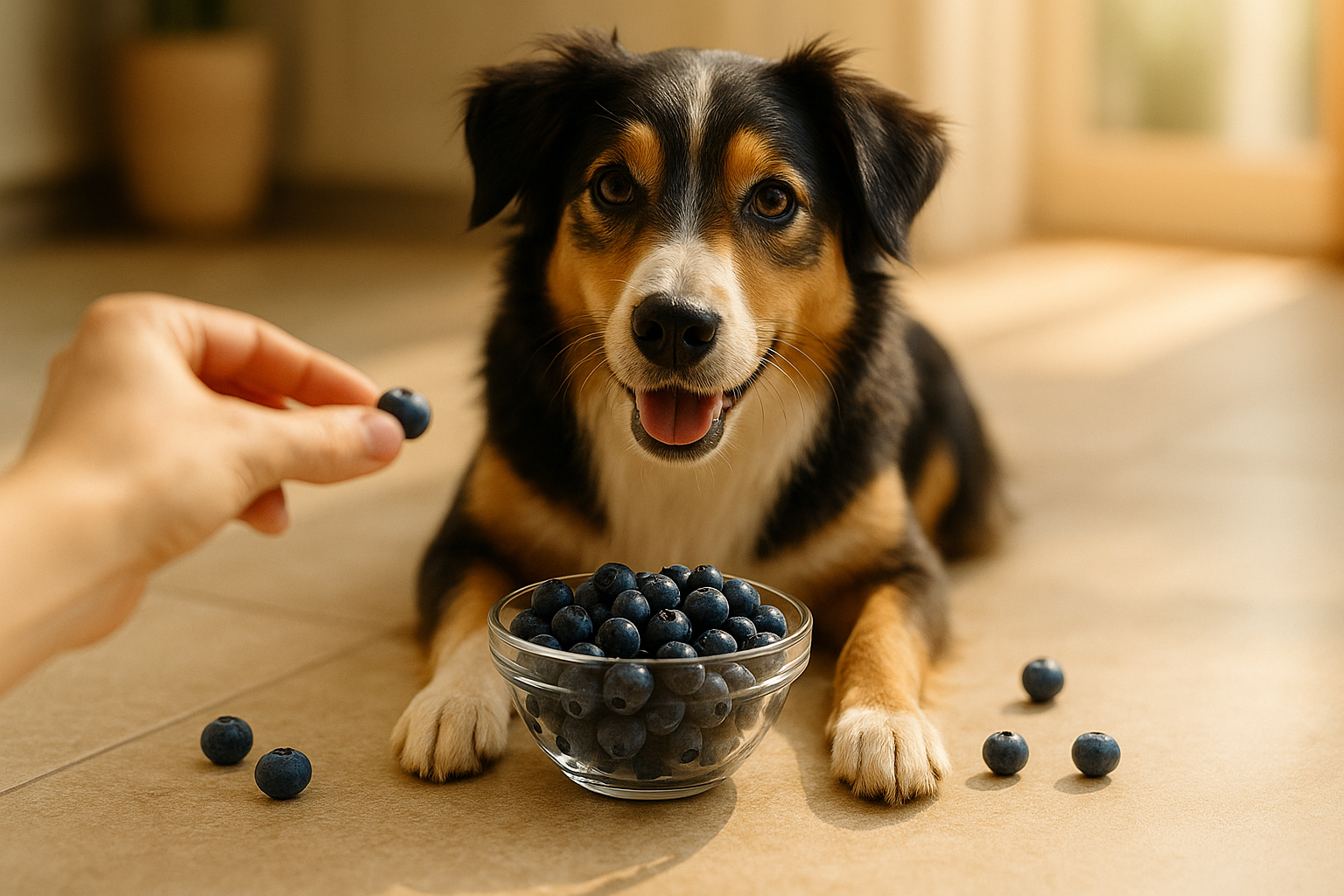
Can Dogs Eat Blueberries? A Vet-Approved Guide
When reaching for a handful of healthy blueberries, you might notice your dog eyeing the snack with interest. It’s natural to wonder if you can share this ‘superfood’ with your furry friend.
The veterinary and canine nutrition communities offer a clear and confident answer: yes, dogs can safely eat blueberries. Authoritative bodies like the American Kennel Club (AKC) endorse blueberries as a safe and beneficial snack for most dogs when offered in moderation.
These vibrant berries are packed with nutrients, especially antioxidants. However, their safety depends on responsible feeding, including proper preparation, portion control, and awareness of potential risks like choking or GI upset. This guide covers everything you need to know.
🐾 Quick Answer: Can Dogs Eat Blueberries?
Yes, dogs can eat blueberries. Veterinarians widely endorse them as a safe, healthy, low-calorie treat packed with antioxidants, fiber, and vitamins C and K. Serve fresh or frozen (mashed/cut for small dogs to prevent choking) in moderation, ensuring they make up less than 10% of your dog’s daily calories.
At a Glance:
- Verdict: Yes, blueberries are a safe and highly recommended treat for dogs.
- Benefits: Rich in antioxidants (anthocyanins), fiber, Vitamin C, and Vitamin K.
- Preparation: Wash thoroughly. Serve fresh, frozen, or plain dried (no added sugar/xylitol).
- Choking Risk: Mash or cut berries (especially frozen) for small dogs or puppies.
- Portion: Treats should be <10% of daily calories to avoid GI upset and dietary imbalance.
- Warning: Avoid blueberry-flavored human products (muffins, yogurt) which contain sugar, fat, or toxic xylitol.
- Special Cases: Consult your vet for diabetic or overweight dogs due to the natural sugar content.
Serving Size by Dog Weight (Treats = <10% of Daily Calories)
| Dog Size | Weight Range (lbs) | Recommended Maximum Daily Amount |
|---|---|---|
| Toy/Extra-Small | 2–20 lbs | 2–3 berries |
| Small | 21–30 lbs | Up to 10 berries (~1 tbsp) |
| Medium | 31–50 lbs | 10–15 berries (~2 tbsp) |
| Large/Extra-Large | 51+ lbs | A small handful (up to ¼ cup) |
The portion size recommendations above are guidelines based on general nutritional models and veterinary advice. Always confirm with your specific veterinarian and prioritize the 10% rule.
The Health Benefits of Blueberries for Dogs 💙
Blueberries are considered a ‘superfood’ for dogs because they are packed with powerful antioxidants and essential nutrients that support overall health, cognitive function, and cellular defense.
Rich in Disease-Fighting Antioxidants
Blueberries are exceptionally rich in antioxidants, especially anthocyanins, the pigments that give them their blue color. Antioxidants neutralize harmful free radicals, protecting cells from oxidative stress, which contributes to aging and chronic diseases.
Specifically, research into the effects of dietary anthocyanins on elderly dogs has shown significant improvements in cognitive function scores and may help combat brain aging. The AKC notes that antioxidants may also help support active dogs.
Source of Essential Vitamins and Minerals
Blueberries aren’t just for antioxidants; they deliver essential nutrients too:
- Vitamin C: A powerful antioxidant that supports a healthy immune system.
- Vitamin K: Vital for proper blood clotting and bone health.
- Manganese and Potassium: Important for bone development, metabolism, nerve, and muscle function.
Supports Digestive Health
As a good source of dietary fiber, blueberries help regulate bowel movements and prevent constipation by adding bulk to the stool. Fiber is crucial for overall gastrointestinal health.

Risks and Considerations for Feeding Blueberries 🚨
While overwhelmingly beneficial, the risks associated with blueberries are generally related to how they’re served—primarily portion size, choking hazards for small dogs, and avoiding human products containing them.
Gastrointestinal Upset (Too Many)
Overfeeding blueberries is the most common issue. Due to their fiber and natural sugar, giving your dog too many can overwhelm their digestive system, leading to diarrhea, gas, or vomiting. Sticking to the 10% rule for treats prevents this kind of upset.
Choking Hazard (Especially Small Dogs/Frozen)
The small, round shape of blueberries can pose a choking risk, particularly for small breeds, puppies, or dogs that gulp food. Frozen blueberries are harder and increase this risk. You can easily mitigate this hazard by mashing or cutting the berries in half.
Sugar Content Concerns (Diabetic/Overweight Dogs)
Blueberries contain natural sugars. While this is fine for healthy dogs in moderation, you should consult a veterinarian before giving them to a diabetic or overweight dog to ensure they fit into a managed diet plan.
Avoid Blueberry-Flavored Human Products
Human foods like blueberry muffins, pies, yogurts, and jams are unsafe. They are high in sugar and fat, potentially causing obesity or a serious condition like pancreatitis. Crucially, many sweetened products now use xylitol, an artificial sweetener that is extremely toxic to dogs and can cause hypoglycemia and liver failure.
Allergies (Very Rare)
Allergies to blueberries are very rare but still possible. When introducing them, start slowly with just 1-2 berries and monitor your dog for symptoms like itching, hives, swelling, vomiting, or diarrhea.

How to Safely Prepare and Serve Blueberries
Serving blueberries safely is simple. Focus on washing, portioning, and choosing the right form.
- Wash Thoroughly: Always wash fresh or wild blueberries under running water to remove pesticides, dirt, or contaminants.
- Prepare Appropriately: Serve fresh or frozen. For small dogs, puppies, or fast eaters, mash the berries or cut them in half to prevent choking. Remove any stems or leaves.
- Offer Plain: Do not add sugar or serve blueberries prepared in syrups, jams, or baked goods intended for humans.
- Control Portions: Stick to the recommended serving size based on your dog’s weight and ensure blueberries (and all treats) make up less than 10% of their daily calories.
Preparation Methods
- Fresh: Ideal choice. Wash well and serve whole (for larger dogs) or mashed/cut (for smaller dogs).
- Frozen: An excellent cooling treat that retains nutrients. Be extra cautious about the choking hazard for small dogs; consider thawing slightly or mashing.
- Dried: Safe ONLY if plain with NO added sugars, oils, or xylitol. Check ingredients carefully, and serve smaller portions, as the sugar is more concentrated.
- Blueberry-Flavored Products: Unsafe. Avoid muffins, pies, yogurts, jams, etc., due to high sugar, fat, and potential xylitol content.

What Vets Say About Blueberries for Dogs
Veterinary experts and organizations consistently affirm the safety and benefits of blueberries for dogs.
American Kennel Club (AKC):
“Yes, dogs can eat blueberries. Blueberries are a great source of vitamins, minerals, antioxidants, and more… This fruit is a healthy snack for dogs.”Jan Dempsey, Purina Senior Nutritionist:
“Treats should make up no more than ten percent of your dog’s daily calories—even if the treats are a low-calorie and healthy option like blueberries. We always promote a one hundred percent complete and balanced diet as the main part of any pet’s diet.”
Nutritional Breakdown: Blueberries (Raw)
The following is the nutritional data for 100g of raw blueberries.
Data Source: USDA FDC (FDC ID: 171711)
| Nutrient | Amount per 100g | Unit |
|---|---|---|
| Calories | 57 | kcal |
| Protein | 0.74 | g |
| Total Fat | 0.33 | g |
| Carbohydrate | 14.49 | g |
| Dietary Fiber | 2.4 | g |
| Total Sugars | 9.96 | g |
| Water | 84.21 | g |
| Calcium | 6 | mg |
| Iron | 0.28 | mg |
| Magnesium | 6 | mg |
| Phosphorus | 12 | mg |
| Potassium | 77 | mg |
| Sodium | 1 | mg |
| Zinc | 0.16 | mg |
| Manganese | 0.336 | mg |
| Selenium | 0.1 | µg |
| Vitamin C | 9.7 | mg |
| Vitamin K (phylloquinone) | 19.3 | µg |
The antioxidants and vitamins in blueberries are readily available, especially when served fresh or frozen.
Frequently Asked Questions (FAQ)
Are blueberries poisonous to dogs?
No, blueberries are not poisonous or toxic to dogs. They are widely recognized by veterinarians as safe and healthy. Confusion sometimes arises because grapes and raisins are highly toxic to canines.
Can puppies eat blueberries?
Yes, puppies can eat blueberries, but in very small portions. Their digestive systems are sensitive, and it’s essential to always mash or cut berries to prevent choking.
Are frozen blueberries good for dogs?
Yes, frozen blueberries are a safe and refreshing treat. Just be extra mindful of the increased choking hazard for small dogs due to their hardness; you may want to thaw them slightly or mash them first.
What happens if my dog eats too many blueberries?
Overeating blueberries most likely causes mild digestive upset, such as temporary diarrhea or vomiting. Withhold treats and provide water. If symptoms are severe or persist over 24 hours, contact your vet immediately.
Will blueberries turn my dog’s poop blue?
Yes, this is common and harmless. The natural pigments (anthocyanins) can pass through and cause stool to appear dark blue, purple, or black.
Conclusion: A Superfood Treat Served Safely 🫐
Blueberries are overwhelmingly approved by veterinarians as a safe, healthy, and beneficial treat for dogs. Packed with antioxidants, vitamins, and fiber, they offer tangible health advantages, particularly in supporting cognitive health in senior dogs.
The key to safely incorporating blueberries is moderation (following the 10% rule) and proper preparation (washing, mashing/cutting for small dogs). Be sure to avoid human blueberry products containing sugar or the toxic sweetener xylitol. Served thoughtfully, blueberries are an excellent ‘superfood’ addition to your dog’s treat repertoire.
References
- American Kennel Club (AKC). (2025, July 18). Can Dogs Eat Blueberries? Retrieved from: https://www.akc.org/expert-advice/nutrition/can-dogs-eat-blueberries/
- LePar Animal Hospital. (2025, July 18). Can Dogs Eat Blueberries? Retrieved from: https://leparvet.net/blog/can-dogs-eat-blueberries/
- MDPI. (2025, July 18). Dietary Supplemented Anthocyanin Reduced Serum Amyloid Beta Oligomers… Retrieved from: https://www.mdpi.com/2076-3417/12/23/12130
- Pawlicy Advisor. (2025, July 18). Can Dogs Eat Blueberries? Here’s Everything You Need to Know. Retrieved from: https://www.pawlicy.com/blog/can-dogs-eat-blueberries
- Purina. (2025, July 18). Can Dogs Eat Blueberries? Retrieved from: https://www.purina.com/articles/dog/feeding/can-dogs-eat/blueberries
- USDA FDC. (2019, April 1). Blueberries, raw (FDC ID: 171711). Retrieved from: https://fdc.nal.usda.gov/fdc-app.html#/food-details/171711/nutrients
- Warrick Veterinary Clinic. (2025, July 18). Are Blueberries Safe and Healthy for Dogs? Retrieved from: https://warrickvet.com/blog/can-dogs-eat-blueberries-2/