
Disclaimer: This article is an AI-generated educational tool. The information provided is not a substitute for professional veterinary advice. Always consult with your veterinarian.
Can Dogs Eat Bananas? A Vet-Approved Guide
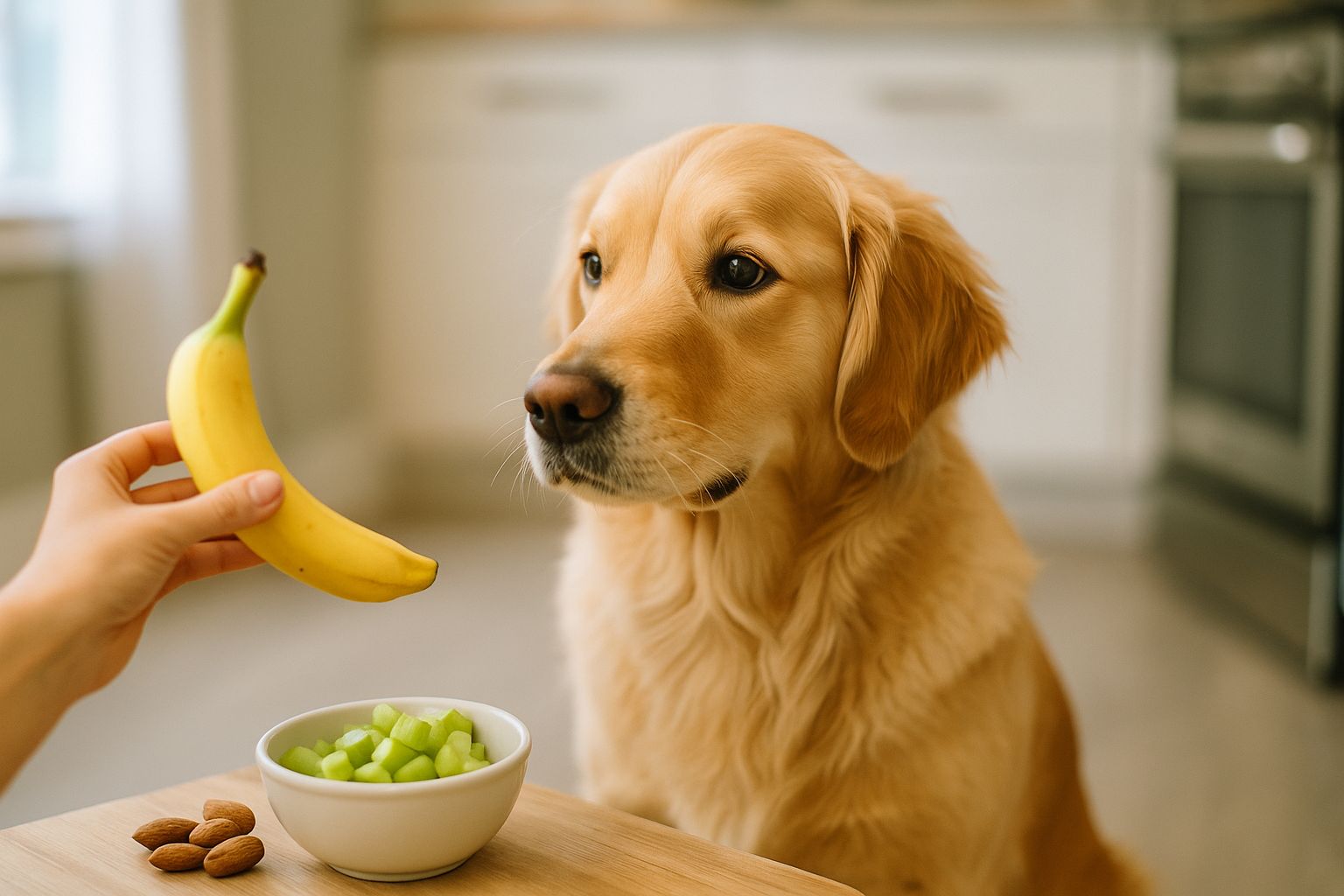
When those big, pleading eyes are fixed on the banana you’re peeling, it’s natural to wonder, “Is this safe to share?”
The answer, from a veterinary standpoint, is a qualified yes. Bananas can be a safe and healthy treat for most dogs, but this simple affirmative comes with important considerations regarding moderation, preparation, and your individual dog’s health profile.
Veterinarians sometimes recommend bananas as a wholesome alternative to many commercially available treats that can be high in salt, fat, and artificial additives. However, they are a “treat,” not a “health food” meant to supplement a balanced diet. The guiding principle is the 90/10 rule: 90% of a dog’s daily calories should come from their balanced dog food, with only 10% allocated for treats.
Quick Answer: Can Dogs Eat Bananas?
Yes, dogs can eat bananas as a treat in moderation. They offer potassium, fiber, and vitamins B6 and C. However, they are high in sugar, so they must be limited (10% treat rule) and are not ideal for diabetic or overweight dogs. Always remove the peel, as it’s a choking and blockage hazard.
At a Glance:
- Verdict: Yes, in moderation as a treat.
- Main Prep: Must be peeled; the peel is a blockage hazard.
- Portion: Treats must follow the 90/10 calorie rule.
- Puppy Note: Vets advise caution; digestive systems are sensitive.
- Toxicity: The flesh is not toxic, but the peel is indigestible.
- Vet Caveat: Consult a vet for diabetic, overweight, or pancreatitis-prone dogs.
- Watch-outs: High sugar (weight gain) and high fiber (GI upset).
Daily Portion Guide (Maximum)
| Dog Size | Weight Range | Daily Portion (approx.) |
|---|---|---|
| Extra-Small | 2-20 lbs | 1-2 quarter-inch slices |
| Small | 21-30 lbs | Up to 3 quarter-inch slices |
| Medium | 31-50 lbs | Up to 6 quarter-inch slices |
| Large | 51-90 lbs | A small handful of slices |
| Extra-Large | 91+ lbs | Up to half a banana |
The Health Benefits of Bananas for Dogs
While bananas should be regarded as an occasional treat, they do contain a variety of vitamins and minerals that can offer supplemental health benefits. As Purina nutritionist Karina Carbo-Johnson, MS, notes, the small serving sizes for dogs mean the nutritional impact may be minimal, but the nutrients are a positive bonus.
- Potassium: This mineral is vital for the proper function of the heart, nerves, and muscles. It also plays a key role in regulating fluid balance and supporting kidney function.
- Vitamin B6: This essential vitamin is critical for manufacturing glucose, the function of red blood cells, hormone regulation, and the healthy operation of the nervous and immune systems.
- Vitamin C: An important-antioxidant, Vitamin C helps reduce inflammation and combat harmful free radicals. While dogs synthesize their own, a little extra can be beneficial.
- Magnesium: This mineral is crucial for promoting bone growth and is involved in hundreds of metabolic functions, including helping the body produce protein and absorb other vitamins.
- Dietary Fiber: Bananas are a good source of fiber, which is essential for maintaining a healthy digestive system. Fiber aids in regulating bowel movements and can help bulk up stool.

Risks and Considerations
The primary risks associated with feeding bananas to dogs are almost entirely dose-dependent and can be mitigated through proper portion control. The danger is not in the banana’s flesh but in how much and in what form it is given.
- High Sugar Content: The most significant concern is the high natural sugar content. Excessive sugar intake can lead to weight gain and obesity, which can cause diabetes, joint problems, and a decreased lifespan. For this reason, bananas are generally not recommended for dogs that are already overweight or have been diagnosed with diabetes.
- Gastrointestinal Upset: While moderate fiber is beneficial, too much can overwhelm a dog’s GI system. This can paradoxically cause both diarrhea and constipation, as well as vomiting, gas, and bloating.
- The Peel is a Hazard: The banana peel is not toxic, but it is extremely difficult for dogs to digest. It poses two significant risks: choking and a serious, potentially life-threatening intestinal blockage. Always discard the peel securely.
- Allergic Reactions: Though uncommon, dogs can have an allergic reaction to bananas. Introduce any new food slowly, starting with just one or two small pieces. Monitor your dog for 24 hours for signs like itching, hives, vomiting, or diarrhea.

Safe Serving Guide
Safely incorporating bananas into your dog’s treat rotation is simple and comes down to three key principles: proper preparation, strict portion control, and creative, engaging serving methods.
Preparation Steps
- Always Peel the Banana: The first and most critical step is to completely remove the peel. Discard it in a secure trash bin that your dog cannot access to prevent accidental ingestion.
- Cut into Appropriate Sizes: Slice the banana into small, bite-sized chunks. This minimizes the risk of choking, especially for smaller breeds or dogs that tend to gulp their food without chewing.
Creative Serving Ideas
- Fresh: Offer fresh, sliced, or mashed banana as a high-value reward during training sessions. You can also mash a small amount and mix it with your dog’s regular kibble to entice a picky eater.
- Frozen: Freezing peeled banana slices provides a refreshing, crunchy treat, especially during hot weather. This also extends the time it takes for your dog to eat it, adding enrichment.
- Stuffed Toy: For a fantastic boredom-buster, mash a banana (you can mix it with a small amount of xylitol-free peanut butter) and stuff it inside a KONG or other durable food puzzle toy, then freeze it.

Portion Guide
Adhering to correct portion sizes is the most effective way to prevent health issues. The 10% rule should always be the foundation of your treating strategy: 90% of a dog’s daily calories from their food, and no more than 10% from treats.
Based on veterinary and nutritional expert recommendations.
- Extra-Small Dogs (2–20 lbs): 1-2 quarter-inch slices
- Small Dogs (21–30 lbs): Up to 3 quarter-inch slices
- Medium Dogs (31–50 lbs): Up to 6 quarter-inch slices
- Large Dogs (51–90 lbs): A small handful of slices
- Giant Dogs (91+ lbs): Up to half a banana
Nutritional Breakdown (100g Raw Banana)
Per 100 g edible portion of raw banana. Note: The nutritional impact for a dog is minimal given the small, treat-sized portions.
Data Source: USDA FoodData Central (FDC ID: 173944)
| Nutrient | Amount per 100g |
|---|---|
| Energy | 89 kcal |
| Protein | 1.09 g |
| Total lipid (fat) | 0.33 g |
| Carbohydrate | 22.84 g |
| Fiber, total dietary | 2.6 g |
| Sugars, total | 12.23 g |
| Calcium, Ca | 5 mg |
| Iron, Fe | 0.26 mg |
| Magnesium, Mg | 27 mg |
| Phosphorus, P | 22 mg |
| Potassium, K | 358 mg |
| Sodium, Na | 1 mg |
| Zinc, Zn | 0.15 mg |
| Copper, Cu | 0.078 mg |
| Manganese, Mn | 0.27 mg |
| Selenium, Se | 1 µg |
| Vitamin C | 8.7 mg |
| Thiamin (B1) | 0.031 mg |
| Riboflavin (B2) | 0.073 mg |
| Niacin (B3) | 0.665 mg |
| Vitamin B-6 | 0.367 mg |
| Folate, total | 20 µg |
| Choline, total | 9.8 mg |
| Vitamin A, RAE | 3 µg |
| Vitamin E | 0.1 mg |
| Vitamin K | 0.5 µg |
Frequently Asked Questions
Can dogs eat banana peels?
No. While banana peels are not toxic, they are very difficult for a dog to digest. They pose a significant risk of choking or causing a life-threatening intestinal blockage. Always peel bananas and dispose of the peel securely.
Can dogs eat frozen bananas?
Yes, absolutely. Frozen, peeled banana slices are a safe and refreshing treat, especially in warm weather. Freezing also changes the texture, which many dogs enjoy.
How much banana is too much for my dog?
Any amount that exceeds the 10% daily treat rule is too much. Overfeeding can lead to gastrointestinal upset, such as vomiting and diarrhea, due to the high sugar and fiber content. Refer to the serving size table for specific recommendations.
Can puppies eat bananas?
Only in very small quantities and with the approval of a veterinarian. Puppies have unique nutritional needs and sensitive digestive systems, so treats should be given sparingly.
Are banana chips safe for dogs?
Homemade banana chips made without any added sugar or oil are safe in moderation. However, most store-bought banana chips are fried and contain high levels of sugar and preservatives, making them an unhealthy choice for dogs.
Can dogs eat banana bread?
No. Banana bread is not a safe treat for dogs. It typically contains high amounts of sugar, fats, and oils. Furthermore, many recipes include ingredients that are toxic to dogs, such as raisins, macadamia nuts, or the artificial sweetener xylitol.
The Bottom Line
In conclusion, bananas can be a safe, healthy, and motivating treat for most dogs when offered responsibly. They are a far better choice than many processed snacks laden with salt, fat, and artificial ingredients.
The key takeaways are:
- Moderation is Essential: Bananas should only be an occasional treat, making up no more than 10% of your dog’s daily caloric intake.
- Preparation is Key: Always remove the peel, which poses a serious choking and blockage risk.
- Know Your Dog: Portions should be adjusted based on your dog’s size. For puppies and dogs with health conditions like diabetes, obesity, or sensitive stomachs, consulting with a veterinarian is non-negotiable.
References
- Can Dogs Eat Bananas? – WebMD
- Can Dogs Eat Bananas? A Guide to Safety | Purina US – Purina
- Can Dogs Eat Bananas? Can Dogs Have Bananas? – American Kennel Club (AKC)
- Understanding the Benefits: Can Dogs Eat Bananas? – Farmly Canine
- Can Dogs Eat Bananas? – Insurify
- Can Dogs Eat Bananas? All the Fruits Your Pooch Can (and Can’t) Eat – Newsweek
- Can Dogs Eat Bananas? Health Benefits, Safety Tips and More – CareCredit
- Can dogs eat bananas? Benefits & Feeding Tips – ZIWI US
- Human Food For Dogs: Can Dogs Eat Bananas? – Dr. Marty Pets
- Can Dogs Eat Bananas? – PetMD
- Can Dogs Eat Bananas? Read Before You Feed – Purina UK
- Can Dogs Eat Bananas Safely? Benefits & Risks – Petco
- Can Dogs Eat Bananas? – PetPlace.com
- Bananas, raw (FDC ID: 173944) – USDA FoodData Central