
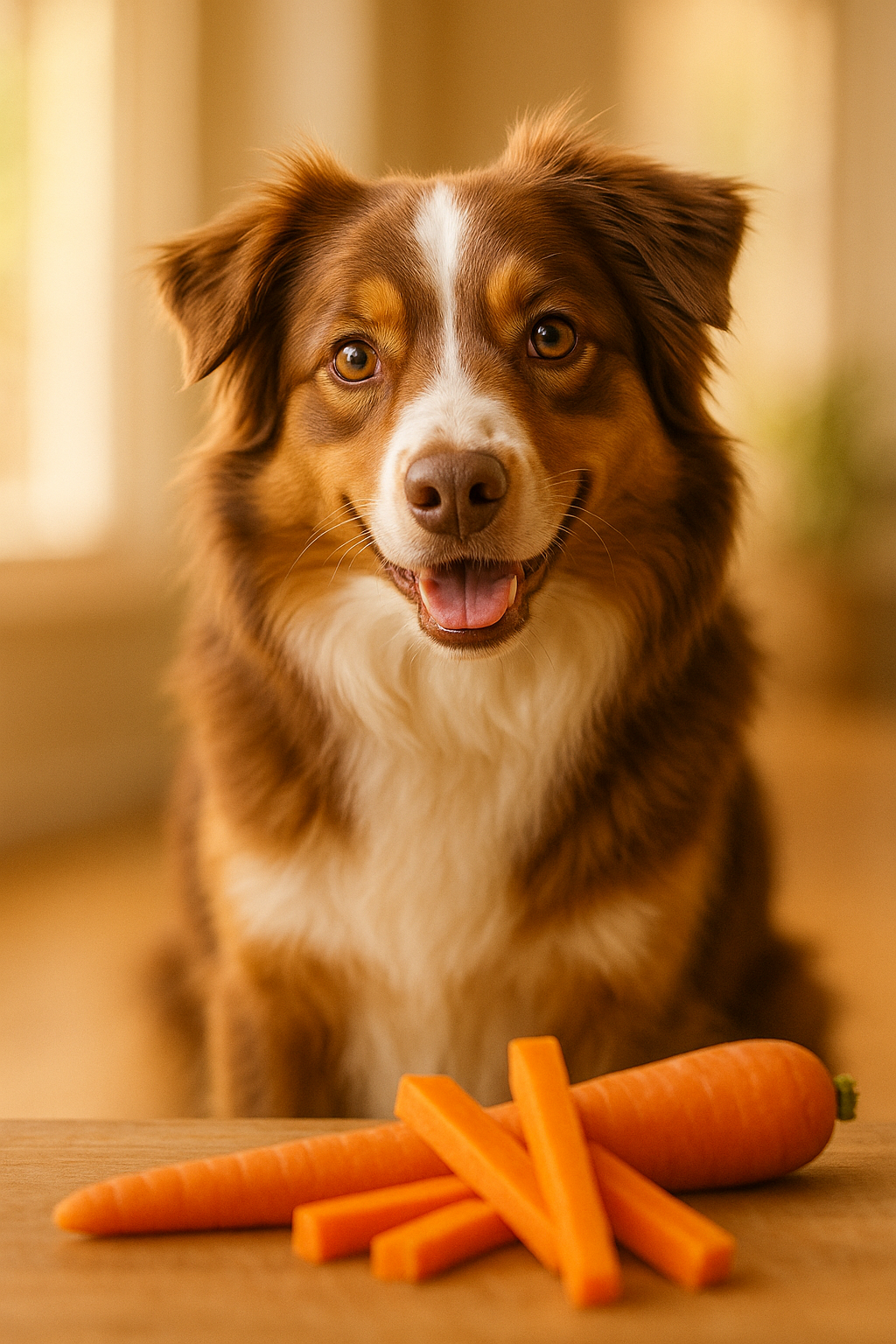
Can Dogs Eat Carrots? A Vet-Approved Guide
As dog owners, we’re always looking for ways to supplement our pets’ diets with wholesome, natural foods. It’s no surprise that among the most commonly considered vegetables is the humble carrot.
But before you toss that crunchy orange treat to your waiting pup, it’s smart to pause and ask: are carrots actually safe and healthy for dogs?
We’ve dug into the science and veterinary consensus to give you the complete answer.
🥕 At a Glance: Can Dogs Eat Carrots?
Yes, dogs can eat carrots. Veterinarians and pet health authorities like the American Kennel Club (AKC) widely recommend carrots as a healthy, low-calorie snack. They provide an excellent source of beta-carotene (which converts to Vitamin A) and fiber.
- Verdict: Carrots are a safe, vet-approved treat for most dogs.
- Main Benefit: They’re great for dental health (when raw) and provide Vitamin A and fiber.
- Preparation: Always serve plain, with no salt, butter, or seasonings.
- Risk: The biggest risk is choking. Always cut raw carrots into size-appropriate pieces.
- Portion: Treats like carrots should not exceed 10% of your dog’s total daily calories.
- Puppies: A large, frozen carrot can be a great, supervised teething toy.
- Caution: Due to their natural sugar, feed in moderation to diabetic or overweight dogs.
- Vet Caveat: Always consult your vet before introducing any new food to your dog’s diet.
Health Benefits of Carrots for Dogs
Carrots are more than just a safe, crunchy snack; they’re a source of numerous vitamins, minerals, and beneficial plant compounds. While your dog’s “complete and balanced” food should provide all essential nutrients, carrots offer a healthy supplemental boost.
Vitamin A (from Beta-Carotene)
The most celebrated nutrient in carrots is beta-carotene, the pigment that gives them their orange color. Your dog’s liver converts this beta-carotene into Vitamin A, which is essential for maintaining healthy vision, supporting a robust immune system, and promoting skin and coat health.
Dental Health
The mechanical action of chewing on a raw carrot is a major benefit. The firm, fibrous texture scrapes against the tooth surface, helping to remove soft plaque and prevent tartar buildup. Veterinarian Richard Ryvar has even described carrots as a “fantastic dental treat for dogs” for this reason. For teething puppies, a large frozen carrot can be a safe and effective chew toy to soothe inflamed gums (always supervise, of course!).
Weight Management
For dogs that are overweight or prone to weight gain, carrots are an ideal treat. They are exceptionally low in calories and fat. A single baby carrot contains only about four calories, making it a guilt-free reward that won’t disrupt a calorie-controlled diet. The high fiber content also helps a dog feel full, which can reduce begging.
Digestive & Antioxidant Support
Carrots are an excellent source of dietary fiber, which adds bulk to stool and helps regulate bowel movements, preventing both constipation and firming up loose stools. Furthermore, the beta-carotene and other phytonutrients in carrots act as powerful antioxidants, helping to neutralize free radicals and support overall cellular health.

Potential Risks & Considerations
Despite their many benefits, carrots are not without risks if fed improperly. A balanced understanding requires acknowledging these potential issues.
Choking and Obstruction
This is the most immediate and serious danger, especially for small breeds and puppies. A small piece of a hard, raw carrot can easily become lodged in a dog’s throat. Dogs that tend to gulp their food without chewing are also at a higher risk.
Gastrointestinal Upset
The high fiber content, while beneficial in moderation, can overwhelm a dog’s digestive system if introduced too quickly or in large quantities. This can lead to excessive gas, abdominal discomfort, and diarrhea.
Sugar Content
Carrots do contain natural sugar. While this isn’t a problem for most healthy dogs, it’s a key consideration for dogs that are overweight or have diabetes. For these dogs, carrots must be fed in strict moderation.
Oxalates (A Note for Specific Breeds)
Carrots contain oxalates, which can contribute to the formation of calcium oxalate bladder stones. This is primarily a concern for dogs with a history of urinary issues or breeds that are genetically predisposed, such as Shih Tzus, Miniature Schnauzers, and Bichon Frises.

How to Safely Serve Carrots to Your Dog
Proper preparation is the most effective way to mitigate the risks of carrots and maximize their benefits.
Basic Preparation
- Wash Thoroughly: Always wash carrots to remove any residual pesticides or dirt.
- Peel (Optional): Peeling is not necessary, but it’s a good idea for dogs with sensitive stomachs.
- Serve Plain: This is the most important rule. Carrots should be served with no butter, salt, oil, or seasonings.
- Avoid Toxic Additives: Never serve carrots that have been cooked with onions or garlic, as these are toxic to dogs.
Raw vs. Cooked: A Key Trade-Off
How you prepare the carrot changes the benefit your dog gets.
- Raw Carrots: Excellent for dental health. The crunch scrapes teeth clean. However, a dog’s digestive system struggles to break down the tough cellulose, so they may not absorb all the nutrients.
- Cooked Carrots: (Steaming or boiling) This breaks down the cellulose, making the nutrients highly bioavailable and easier to digest. However, this process eliminates all the dental benefits.
The takeaway: Serve carrots raw for a dental-supporting chew, but serve them cooked or pureed for a nutritional boost.
Safe Serving Ideas
- For Dental Health: Cut raw carrots into manageable, size-appropriate pieces. For large dogs, carrot sticks are suitable. For smaller dogs, thin rounds or small diced pieces are safer.
- For Nutrition: Steam plain carrots until tender, let them cool, and mash or puree them into your dog’s food.
- Frozen Teething Toy: For puppies, a large, whole frozen carrot can be a great teething aid, but only under strict supervision to ensure they don’t break off and swallow large, hazardous chunks.
- Food Topper: Grating raw carrot over their regular meal is a great way to add flavor and nutrients while minimizing choking risk.

How Many Carrots Can a Dog Eat?
The single most important principle for feeding carrots—and any treat—is moderation. The widely accepted guideline in veterinary nutrition is the 10% Rule.
Endorsed by authorities like the AKC, this rule states that treats should comprise no more than 10% of a dog’s total daily caloric intake. The remaining 90% must come from their complete and balanced dog food. This rule isn’t just about preventing weight gain; it ensures that treats don’t unbalance your dog’s core diet and lead to nutrient deficiencies.
Daily Portion Guidelines
Based on the 10% rule, here is a general guide for daily carrot servings as treats.
| Dog Size | Weight Range | Recommended Daily Amount | Example Breeds |
|---|---|---|---|
| Extra-Small / Toy | Under 10 lbs | 1 baby carrot or a few small slices | Chihuahua, Pomeranian |
| Small | 10-25 lbs | 2-3 baby carrots | Beagle, Pug, Shih Tzu |
| Medium | 25-50 lbs | 4-5 baby carrots | Border Collie, Cocker Spaniel |
| Large | 50-90 lbs | A small handful (approx. 1/2 cup) | German Shepherd, Labrador |
| Extra-Large | Over 90 lbs | A large handful (up to 1 cup) | Great Dane, Saint Bernard |
Nutritional Breakdown of Raw Carrots
Here’s a detailed look at the nutritional profile for 100 grams (about 3.5 ounces) of raw carrots.
Data Source: USDA FoodData Central (FDC ID: 170393)
| Nutrient | Amount per 100g |
|---|---|
| Calories | 41 kcal |
| Protein | 0.93 g |
| Total Fat | 0.24 g |
| Carbohydrate | 9.58 g |
| Dietary Fiber | 2.8 g |
| Total Sugars | 4.7 g |
| Calcium | 33 mg |
| Iron | 0.3 mg |
| Magnesium | 12 mg |
| Phosphorus | 35 mg |
| Potassium | 320 mg |
| Sodium | 69 mg |
| Vitamin C | 5.9 mg |
| Thiamin (B1) | 0.066 mg |
| Riboflavin (B2) | 0.058 mg |
| Niacin (B3) | 0.983 mg |
| Vitamin B6 | 0.138 mg |
| Folate (B9) | 19 µg |
| Vitamin A (RAE) | 835 µg |
| Beta-carotene | 8285 µg |
| Vitamin E | 0.66 mg |
| Vitamin K | 13.2 µg |
Frequently Asked Questions About Carrots for Dogs
Can puppies eat carrots?
Yes, puppies can eat carrots, but with heightened precautions. Their digestive systems are sensitive to fiber, and their small size increases the choking risk. For teething, a large, supervised frozen carrot is a great option. For a simple treat, cooked and mashed or very finely diced raw carrots are safest.
Are raw or cooked carrots better for dogs?
Neither is definitively “better”; they just serve different purposes. Raw carrots offer dental benefits through mechanical abrasion. Cooked carrots are more easily digested and provide greater nutritional bioavailability.
Can dogs eat the green carrot tops?
Yes. The leafy green tops of carrots are non-toxic and safe for dogs to eat. They can be washed, chopped, and mixed into food as a source of extra fiber and nutrients.
Can dogs eat carrot cake or other human foods with carrots?
No. Human foods like carrot cake must be avoided. They contain high levels of sugar, fat, and spices that can cause gastrointestinal upset or pancreatitis. Some recipes may also contain ingredients that are toxic to dogs, such as raisins or the artificial sweetener xylitol.
What should I do if my dog eats too many carrots?
If a dog consumes an excessive amount of carrots, the most likely outcome is mild gastrointestinal upset (gas, bloating, or diarrhea) due to the high fiber content. This typically resolves on its own. Ensure your dog has fresh water. If symptoms are severe or persist for more than 24 hours, contact your veterinarian.
The Verdict: Are Carrots Good for Dogs?
Carrots are a safe, nutritious, and veterinarian-approved treat for most dogs when fed correctly. They offer a wealth of benefits, from supporting dental and vision health to aiding in weight management.
However, safe feeding practices are paramount. By understanding the potential risks—such as choking and digestive upset—and adhering to proper preparation (cut to size, serve plain) and portion control (the 10% Rule), owners can confidently incorporate this crunchy, healthy vegetable into their dog’s treat rotation.
Always introduce new foods gradually and consult your veterinarian with any specific concerns about your individual pet’s diet.
Disclaimer: This article is an AI-generated educational tool. The information provided is not a substitute for professional veterinary advice. Always consult with your veterinarian for health and diet-related decisions for your pet.
References
- Can Dogs Eat Carrots? – American Kennel Club (AKC)
- Can Dogs Eat Carrots? | Purina US
- Do Carrots Really Improve Vision for You, Your Dog? | PetMD
- Can Dogs Eat Carrots? Everything You Need to Know | Pawlicy Advisor
- Can puppies eat carrots? – Kennel Club Pet Insurance
- Are Carrots Good for Dogs? – Darwin’s Natural Pet Products
- Pet Talk: Carrots are a Good Treat Alternative – Door County Pulse
- Are Carrots Good For Dogs? A Veterinarian Explains | Kingsdale Animal Hospital
- Are Carrots Good for Dogs? – Open Farm
- Are Carrots Safe for Dogs? – The Spruce Pets
- Can My Dog Eat Carrots? – Taste of the Wild Pet Food
- Healthy Treats for Diabetic Dogs – Old Dog Cookie Company
- Do Carrots Give Dogs Diarrhea? | Houndsy
- USDA FoodData Central: Carrots, raw (FDC ID: 170393)
- (Note: Other sources from the research document were consulted for background context and general consensus.)